

D M C : ค้นหาหนังสือธรรมะ หน้า 202 / 265
หน้าหนังสือทั้งหมด
11
Rettung von Mes Aynak - Die Herausforderungen der Archäologie
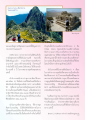
Machu Picchu เมืองโบราณ
ในภูมิประเทศที่ 15
Mes Aynak
ทองแดงที่อยู่ภายในถูกรายได้ทุกสถานแห่งนี้มีมูลค่ากว่า 100,000 ล้านดอลลาร์
บริษัท MCC กล่าวว่าพวกเขาไม่ได้แจ้งถึงการมีอยู่ของสถานที่เป็นโ
Mes Aynak in Afghanistan, ein bedeutender archäologischer Standort, wird von der MCC aufgrund der dort vorhandenen Kupferressourcen unter Druck gesetzt. Trotz des internationalen Drucks und der Forder

13
Preservation of Mes Aynak: A Plea from WFBY
WORLD FELLOWSHIP OF BUDDHIST YOUTH
61/6 Benajamin Park, Sukhumvit 24
Bangkok, Thailand 10110
Tel +66 87 502 6358 Fax +662 534 0270
November 13th, 2012
Our Ref: WFBY 36/2555
Mr Gwang-Jo Kim
DIRECTO
The World Fellowship of Buddhist Youth (WFBY) has formally requested UNESCO to intervene against the planned copper mining at Mes Aynak, a site of crucial cultural and historical significance dating b
13
คำศัพท์น่ารู้เกี่ยวกับเทศกาลปีใหม่
คําศัพท์น่ารู้เดือนนี้เป็นคําศัพท์เกี่ยวกับเทศกาลปีใหม่ค่ะ
วันปีใหม่ - New Year's Day (นิว เยียร์เดย์)
วันนี้ฉันจะหรือมันจะนึกถึง - New Year's Eve (นิว เยียร์ อีฟ)
Eve แปลว่า วันก่อน - คําสามาเหมือนคว
เนื้อหาเกี่ยวกับคำศัพท์ที่สำคัญในเทศกาลปีใหม่ รวมถึงความหมายและการใช้คำศัพท์ต่างๆ เช่น วันปีใหม่, ปณิธานปีใหม่ และคำอวยพรปีใหม่ ซึ่งช่วยให้ผู้เริ่มต้นเข้าใจวัฒนธรรมปีใหม่ได้ดียิ่งขึ้น นอกจากนี้ยังมีคำ
17
กองทุนเนื้ออนุญาตและการร่วมบุญ
กองทุนเนื้ออนุญาต
ที่บูรพุทธิทั้ง กาย วาจา ใจ
พระเถราภรคุณพระธรรมปิฎก เจ้าคณะจังหวัดสระบุรีทรงพระเดชพระคุณพระราชเมธี เลขาเจ้าคณะภาค 8 ผู้ช่วยเจ้าคณะจังหวัดตรีมิติวรายารามพระเดชพระคุณ พระภาวนาวิริยคุณ
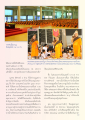
บทความนี้พูดถึงการจัดตั้งกองทุนเนื้ออนุญาตที่มีวัตถุประสงค์เพื่อสนับสนุนกิจกรรมทางพระพุทธศาสนาในประเทศไทย โดยมีการรวบรวมพระภิกษุประมาณ 1,128 รูปเพื่อตั้งขึ้นเป็นองค์การหนึ่ง อันนำไปสู่การประสานงานในกา
116
รายนามเจ้าภาพ ฉบับเดือนกุมภาพันธ์
รายนามเจ้าภาพ ฉบับเดือนกุมภาพันธ์
เจ้าภาพกิตติ์ศักดิ์พิเศษ
กัลยสมชาย-ขวัญใจ-จงสวัสดิ์-ณรงค์สวัสดิ์-ชาญสวัสดิ์-ปิติภา จังหวัดผล กัลยสมชาย-นภาพรรณ ครอบครัวจิวฉวนรากูล-ญาณิตมิตร, บจก.รุ่งโล่การิมิพ์ (19
ในฉบับเดือนกุมภาพันธ์นี้ มีการประกาศรายชื่อเจ้าภาพที่ให้การสนับสนุนอย่างกว้างขวาง ทั้งจากบุคคลทั่วไปและองค์กร อาทิเช่น บจก.รุ่งโล่การิมิพ์, บจก.เซเว่นสตาร์ อินเตอร์โอลดิง, และอื่นๆ โดยมีจุดประสงค์เพื่
25
การค้นหาความหมายของชีวิต
"เกิดมาว่าจะมาทำอะไร พอแล้วไม่ว่าจะเกิดมายทำอะไร
ถ้าขี้ที่อยากมันก็หลอก ถ้าขี้ที่หยอกมันก็ลวง ทำให้จิตเป็นห่วงเป็นใย
เลิกอยากลายอยาก รีบออกจากกาม เดินตามขันธ์สามเรื่อยไป
เสร็จภิญฺญาไม่ตกกันดาร เรียกว่
เนื้อหาดังกล่าวพูดถึงความหมายของการเกิดมาเพื่อทำสิ่งต่างๆ และการหยุดความอยากเพื่อนำไปสู่การพ้นทุกข์ ผ่านการเดินตามขันธ์สาม นับเป็นแนวทางในการทำความเข้าใจภายในจิตใจเพื่อเข้าถึงความสงบและการบรรลุธรรม.
10
Congratulatory Letter for Dhammachai International Research Institute
**Congratulatory letter**
The 60th Dhammachai Education Foundation of Australia and New Zealand has developed an increasing commitment in recent years to the academic study of the Buddhist tradition,
The 60th Dhammachai Education Foundation of Australia and New Zealand has strengthened its commitment to studying the Buddhist tradition. The foundation established the Dhammachai International Resear

11
I am pleased to congratulate the Dhammachai International Research Institute on this new initiative and look forward to its growing success.
Professor Murray Rae
Head of the Department of Theology
16
Launch of the Journal of the Dhammachai International Research Institute
Introduction
This collection of articles marks the launch of the Journal of the Dhammachai International Research Institute (JDIRI). The articles presented here indicate some of the perspectives on B
This collection of articles marks the launch of the JDIRI, showcasing perspectives on Early Buddhism and meditation studies. The journal aims to publish research on ancient manuscripts and esoteric pr
19
Exploring Ancient Thai Meditation Manuscripts and Their Influence
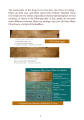
of the original content of the palm-leaf manuscript is provided along with a translation into modern Thai and English. It consists of a correlation of body parts with the sublime attributes of the enl
This content discusses the significance of ancient Thai palm-leaf manuscripts, especially those of the bŏran kammaṭṭhān type, which correlate body parts with Buddha's attributes and suggest daily rec
27
Exploring the Manuscripts of Nong Pa Fa Cave
The manuscripts of the Nong Pa Fa Cave have two forms of writing: Dham Lao from Laos, and Dham Lanna from northern Thailand. These two scripts are very similar, especially on manuscripts dating back s
The manuscripts of the Nong Pa Fa Cave showcase two primary forms of writing: Dham Lao from Laos and Dham Lanna from northern Thailand. While these scripts exhibit notable similarities, especially in
36
References to 'Dhammakāya' in the Pāli Canon
III. References to 'Dhammakāya' in the Pāli Canon
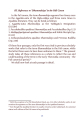
In the Pali canon, the term dhammakāya appears four times: once in the Aggiāṇā-sutta of the Dīgha-nikāya and three more times in Apadāna literature.
In the Pāli Canon, the term 'dhammakāya' is found four times, significantly in the Aggiāṇā-sutta and Apadāna literature. It serves various roles including a designation for the Tathāgata and associati
42
Saddhā: The Criterion of Being the Tathāgata's Son
Saddhā: Criterion of being the Tathāgata's Son
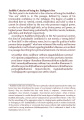
The first point to be looked at is the criterion of being the Buddha’s ‘true son’ which is, in this passage, defined by means of his
irremovable confiden
This text discusses the criterion of being the Tathāgata's son, emphasizing the irremovable confidence (saddhā) in the Buddha. It defines this confidence as settled and unchangeable despite external i
48
Brahmins and Noble Disciples: A Comparative Analysis
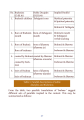
No. | Brahmins (D.III.81) | Noble Disciples (D.III.84) | Implied Parallel
---|------------------------|---------------------------|------------------------
1. | Brahma's children | Tathägata's sons |
The text presents a comparative analysis between Brahmins and Noble Disciples, highlighting their similarities in mythical and spiritual parental origins. It details how both are seen as offsprings of
51
The Transformative Power of the Noble Eightfold Path in Buddhism
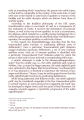
refer to something which 'transforms' the person into noble states, so that itself is comparable to the creator. At the same time, it must refer also to the shared or same kind of qualities or essence
This text delves into the concept of transformation in Buddhist philosophy, specifically through the Noble Eightfold Path. It highlights how this path aids in the eradication of defilements, enabling
64
Understanding Paccekabuddhas in Buddhism
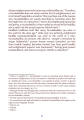
91 While it is possible for a Paccekabuddha to teach an individual which finally leads to that person's enlightenment, he does not teach to a multitude of people in the same way as a Buddha does. Henc
The text discusses the distinct nature of Paccekabuddhas, who can guide individuals toward enlightenment but do not teach the masses like Buddhas. Their teachings emphasize solitude and are succinct,
65
The Characteristics of Paccekabuddhas in Apadāna Literature
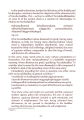
In the Apadāna literature, besides the life history of the Buddha and his disciples, a section is devoted to a depiction of the characteristics of Paccekabuddhas. This - section is entitled 'Paccekabu
The Apadāna literature highlights the characteristics of Paccekabuddhas, emphasizing their significant dhammas and independent mind. Verse 52 describes them as having great dhammas, being free from su
68
Dhammakāya and Noble Disciples
VI. Reference 3: Dhammakāya and Noble Disciples
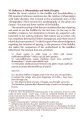
Besides the term’s relation to the Buddha and Paccekabuddhas, a Pāli canonical reference mentions also the relation of dhammakāya with noble disciples.
In the context of Pāli texts, the term dhammakāya is linked to noble disciples as evidenced in the story of Gotamī, the great nun and Buddha's foster mother. As she approaches her passing, Gotamī refl
72
Understanding the Levels of Dhammakāya and Noble Disciples
In regard to the different levels of dhammakāya, the canon talks about the different states of trainees (sekha) and non-trainees (asekha). The former refers to states in which a further course is yet
The text elaborates on the different levels of dhammakāya, categorizing trainees and non-trainees based on their qualities and practices. Trainees are seen as individuals who still have further course
73
Supramundane Paths and Fruits in Dhammakāya
supramundane paths and fruits. 113 The ‘four pairs’ are mentioned instead when particular paths and their corresponding fruits are collectively called under the same titles. Of the eight transcendenta
The text discusses the different transcendental levels of dhammakāya, highlighting the distinction between trainees and non-trainees. The first seven levels correspond to qualities of trainees, wherea